
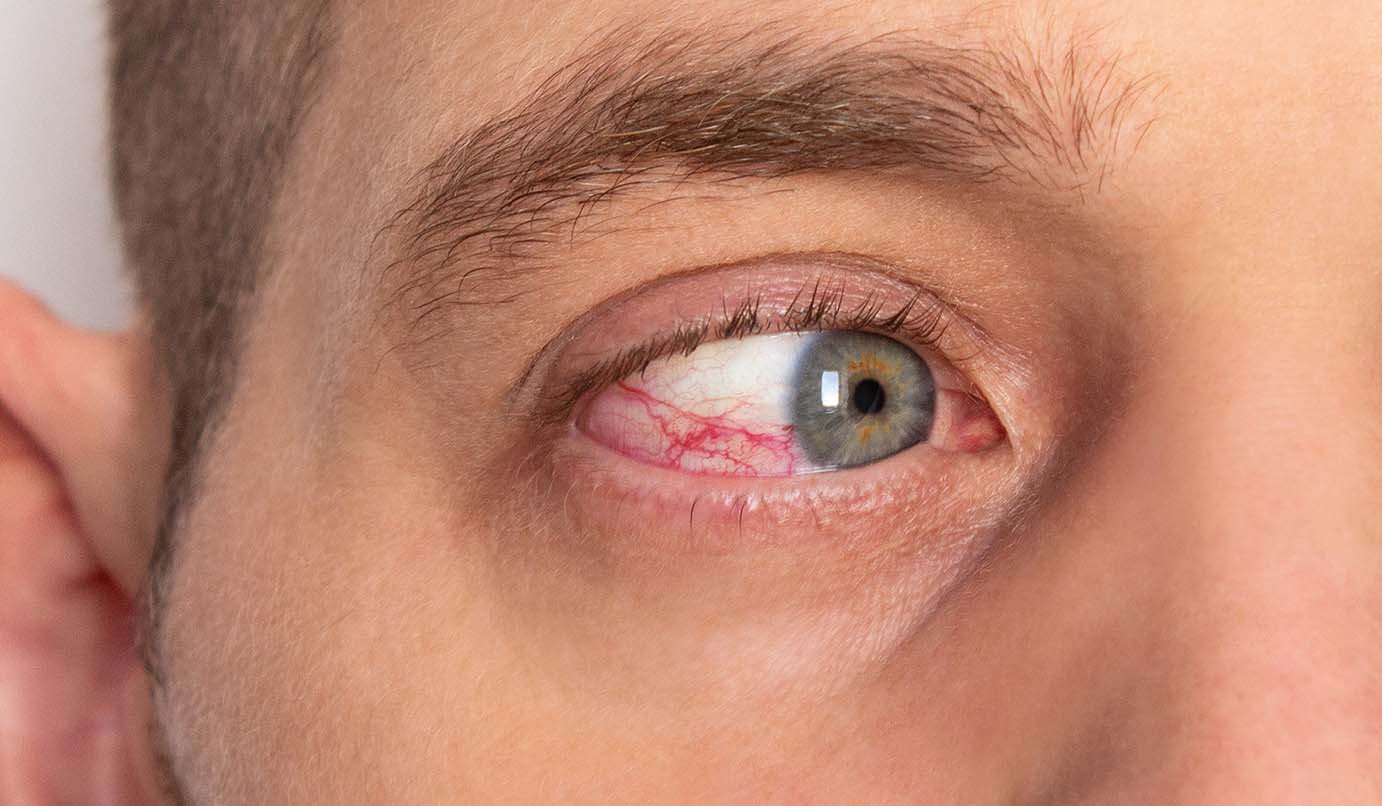
Uveitis
Uveitis is inflammation of the uvea—the middle layer of the eye that includes the iris, ciliary body, and choroid. It can develop suddenly and may lead to serious vision problems if not treated early.
Symptoms
- Eye redness
- Eye pain
- Blurred vision
- Sensitivity to light (photophobia)
- Floaters (dark spots in vision)
- Decreased vision
Causes
- Autoimmune diseases (e.g., rheumatoid arthritis)
- Eye infections (viral, bacterial, fungal)
- Eye injury or trauma
- Inflammatory conditions
- Sometimes unknown (idiopathic)
Types of Uveitis
- Anterior Uveitis (Iritis): Most common form
- Intermediate Uveitis: Affects the vitreous
- Posterior Uveitis: Affects retina and choroid
- Panuveitis: Involves the entire uvea
Risk Factors
- Autoimmune or inflammatory disorders
- Infections
- Smoking
- Previous eye injuries
Treatment
- Corticosteroid eye drops
- Oral steroids or injections
- Immunosuppressive medications
- Antibiotics or antivirals (if infection-related)
- Regular monitoring by an eye specialist
When to See a Doctor
Seek immediate medical attention if you experience sudden eye pain, light sensitivity, or blurred/decreased vision. Early treatment is essential to prevent complications such as glaucoma, cataract, or permanent vision loss.
Prevention Tips
- Regular eye check-ups
- Proper management of underlying health conditions
- Protect eyes from injury
- Avoid smoking
Ensure timely diagnosis and expert care at Dr. Ankur Gupta Eye & Vision Centre, Kota to protect your vision.